It's 3pm, the chair is empty, and the client booked two weeks ago isn't coming. No call, no message — just a gap in the day that already cost you the stylist's hour, the product on the trolley, and the client you turned away for that slot. Salons, clinics, barbershops, and studios routinely lose 10–20% of booked appointments to no-shows, and most of the standard fixes — reminder calls, paid SMS, deposits — either cost money, annoy customers, or both. So here's a practical look at how to reduce no-shows without turning your front desk into a collections department.
Why Customers Actually No-Show
The uncomfortable truth: almost nobody skips an appointment out of malice. They booked in a burst of good intentions, life moved on, and by the day itself the appointment simply wasn't in front of them. The reminder systems most businesses use are built to fail exactly here:
- Reminder calls go unanswered. An unknown number calling mid-workday gets declined — and the voicemail never gets played.
- SMS lands in the spam pile. Paid, per-message, from a sender ID the customer doesn't recognize, next to twenty promotional texts they've stopped reading.
- Email is where reminders go to sleep. Open rates say a third of customers see it; the promotions tab says even fewer.
- Rescheduling is harder than vanishing. If canceling means finding your number, calling during opening hours, and apologizing to a human, plenty of people quietly choose the no-show instead.
Deposits do work — but they work by adding friction and mistrust to every booking to punish the few, and for a AED 80 haircut or a free consultation, asking for card details up front costs you real bookings. Keep deposits for the big-ticket slots; fix the rest with visibility.
How to Reduce No-Shows: Put the Appointment Where the Customer Already Looks
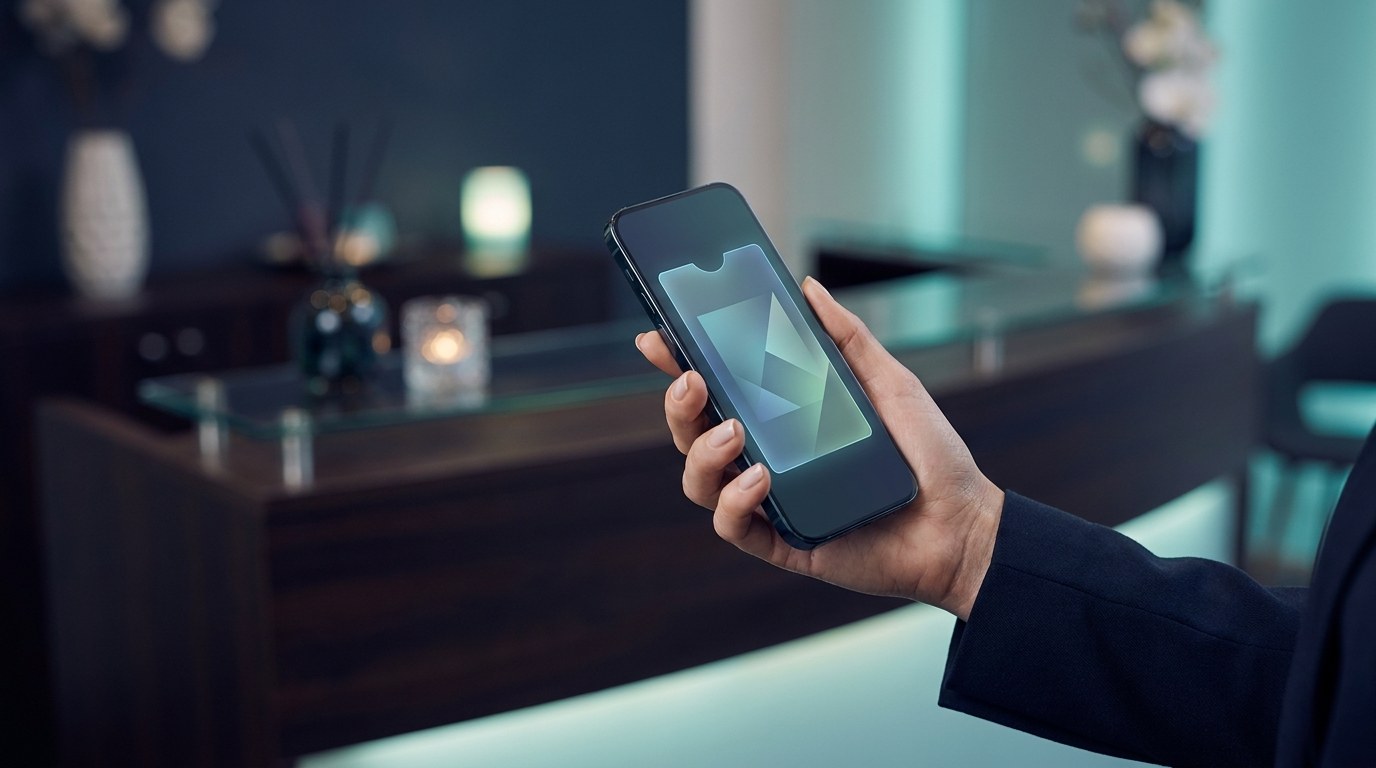
The reminder that works is the one that shows up where the customer's eyes already are: the phone's lock screen. That used to mean building an app nobody downloads or paying for SMS forever. Now it means a wallet card — a loyalty or membership pass that lives in Apple Wallet and Google Wallet, joined in one scan of a QR code at your counter, no app required.
Once your card is on the client's phone, you have a direct, free line to their lock screen. With Wally, sending "See you tomorrow at 3pm — reply on WhatsApp to reschedule" costs nothing, whether you send it to one member or a thousand. It arrives as a wallet push notification from a business the customer chose to join — not an unknown number, not a promotions-tab email — and it can't sit unopened, because the lock screen is somewhere people look dozens of times a day.
Just as important: the pass gives the escape hatch. The back of every Wally card carries your links — WhatsApp, phone, booking page. The client who wakes up with a sick kid doesn't have to choose between an awkward call and disappearing; the reschedule is two taps from the card that's already in their wallet. Every reschedule you make easy is a no-show that didn't happen, and a slot you can refill the same morning.
Skin in the Game Beats Deposits
There's a second lever, and it's the loyalty program itself. Behavioral research on the endowed progress effect is clear: people go out of their way to protect progress they've already made. A client sitting on seven stamps toward a free blow-dry treats the appointment differently than a walk-in — showing up means moving toward something they've half-earned. A digital stamp card quietly does what a deposit does — gives the customer something at stake — except it feels like a reward instead of a penalty.
It compounds with status, too. Regulars who hold a visible Silver or Gold tier on their pass have an identity with your business, not just a booking. People protect an identity. That's a big part of why members no-show less than strangers — and why the businesses with the lowest no-show rates are usually the ones where most clients are in the program.
A Simple Reminder Rhythm That Works
You don't need a complicated cadence. For appointment businesses — salons, barbershops, clinics, spas, training studios — three messages cover it:
- Day before: "Tomorrow at 3pm — need to change it? WhatsApp us from the back of your card." This is the message that saves the slot, because there's still time to refill it.
- Morning of: a short nudge for the forgetful. One line, no guilt.
- After a miss: skip the lecture. "We missed you — your stamps are safe. Book again this week?" recovers the relationship, and often the revenue, instead of shaming a customer into never coming back.
Because every scan and visit is tracked on the pass, you also finally get the number most businesses only feel: your actual no-show rate, and whether it moved after the reminders started. What gets measured gets fixed.
The Bottom Line
No-shows aren't a character flaw in your customers — they're a visibility problem in your reminders. Put your card in the customer's phone wallet, land the reminder on the lock screen for free, make rescheduling two taps, and give clients stamps and status worth showing up for. That combination beats deposit policies on the appointments deposits were never going to protect.
Wally puts your loyalty card, membership, and reminders in Apple Wallet and Google Wallet — customers join in one scan, and lock-screen messages are free and unlimited. Book a quick demo and see how many empty chairs a lock-screen reminder can fill.