White Friday lands on 27 November this year, and across the UAE the planning has already started: the discount is being decided, the ad budget booked, the stock ordered. It is the biggest sales week on the retail calendar — coined here, built for the Gulf, and now stretching from the malls to every salon, gym and restaurant that runs a "White Friday week" offer. But most White Friday marketing plans share the same blind spot: they are built to win the sale and keep nothing. The crowd comes, pays the discounted price, and leaves exactly as anonymous as it arrived — and in December you pay ads again to reach the very people who were standing in your shop.
The Expensive Truth About Discount-Season Customers
Discount-week buyers are the most expensive customers you'll acquire all year. You pay twice to get them — once in ad spend, once in margin — and the numbers on keeping them are brutal: acquiring a new customer costs five to twenty-five times more than retaining an existing one, while repeat customers spend around 67% more per order than first-timers. The whole economics of a sale week depends on the second visit, and the second visit depends on one thing almost nobody sets up: a way to reach the buyer after the sale ends.
Think about what you actually hold on 28 November. A great revenue day, a thinner margin, and a till full of transactions with no names on them. The family that bought three bags of clothes, the woman who booked the discounted facial, the couple who tried your restaurant because dessert was free — all gone, unreachable, waiting to be bought back through the same ad auction as everyone else's customers. That's not a loyalty problem in December. It's a capture problem in November.
White Friday Marketing That Keeps What It Wins
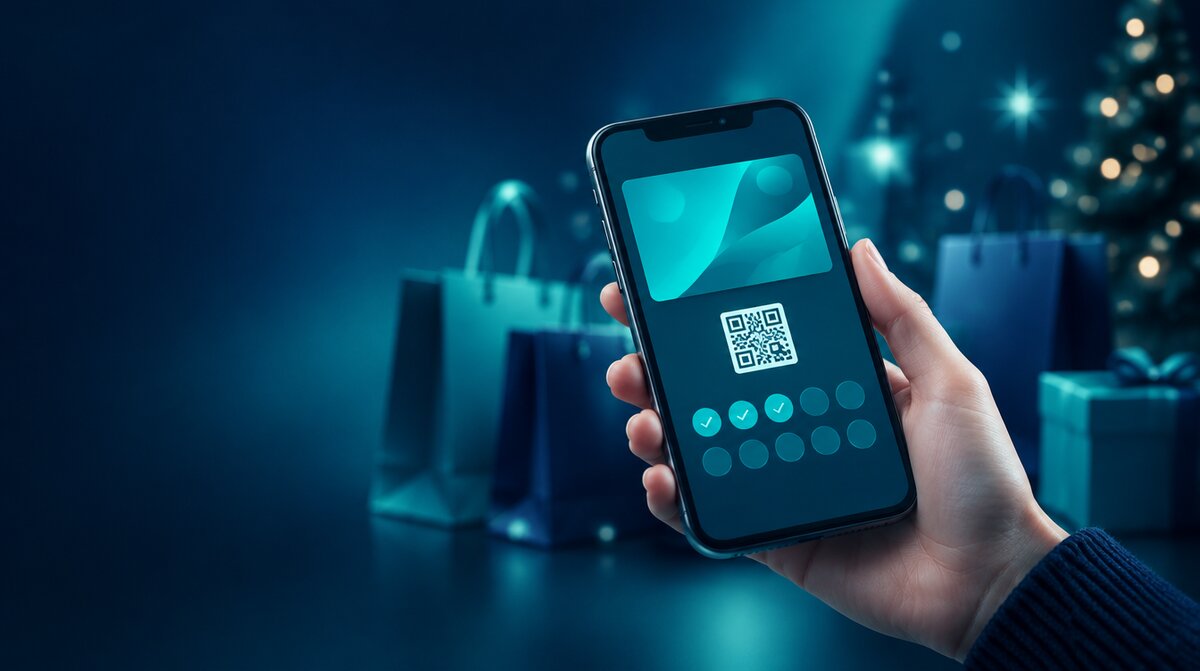
The fix is one rule: every discounted sale must buy you a customer, not just a transaction. The simplest way to do it is a loyalty card in Apple Wallet and Google Wallet. A QR stand next to the card machine, one scan while the purchase is being bagged, and the customer's card is on their phone in about twenty seconds — no app to download, no form to fill, works on iPhone and Android alike. You can even make it the mechanic of the offer itself: "scan to join and today's White Friday discount is yours." The discount you were giving anyway becomes the join incentive, and the join is what turns the sale into an asset.
Every scan builds a real, opted-in customer list — name, contact, first visit, what they bought into — owned by you, not by a marketplace or a delivery app. And because the card sits in the wallet next to their bank cards, it comes with the channel that makes the list usable: free, unlimited lock-screen push notifications, with no SMS fees and no templates to approve.
Reward Members Instead of Discounting Everyone
A wallet card also changes what you have to give away. A blanket 40% off costs margin on every sale, including the regulars who would have paid full price — one reason discounts lose to loyalty programs over any horizon longer than a weekend. With a members' card you can compete on White Friday without racing the malls to the bottom: give members early access the evening before, double stamps on their stamp card all week, or dirham credit on the card instead of money off the ticket. Credit costs you wholesale, reads as generosity, and — unlike a discount — guarantees a return visit, because the value is sitting on the customer's phone waiting to be spent.
The Offer That Comes Back in December
Here's where the captured list pays for itself. The week after White Friday is the quietest stretch of Q4 — wallets are drained, footfall sags. But now you can see exactly who bought during the sale, and reaching them costs nothing. A single push in mid-December — "your December treat: AED 20 credit, valid until the 24th" — lands on the lock screens of everyone who scanned in November, as a digital coupon with the expiry on its face. That one free message is the difference between a White Friday spike that decays to zero and one that compounds: the bargain hunter becomes a second visit, the second visit becomes a stamp card habit, and the win-back never again starts from a cold ad.
Your Six-Week Countdown
Mid-October (now): design your card in the Wally dashboard — loyalty, stamps or cashback, whatever fits how your customers buy — and put the QR stand at the till so staff are fluent long before the rush.
Early November: put the join QR everywhere a sale happens — the counter, the receipt, the delivery bag, the Instagram bio — and start converting normal-season buyers so the sale week starts with a list.
White Friday week: push early access to members the night before, run the scan-to-get-the-discount mechanic at the till, and let the busiest week of the year do your capture for you.
December: send the credit coupon to November's joiners, watch the quiet week fill, and start January with a customer list instead of a memory of a good weekend.
Set It Up Before the Rush Decides For You
Nothing about your POS or your stock plan needs to change — this is one QR stand and a card customers actually keep, the same playbook running across UAE retail. Wally puts loyalty cards, stamp cards, memberships and coupons in Apple Wallet and Google Wallet — joined in one scan, no app required. Book a short demo this week, and when the White Friday crowd arrives, you'll keep it.