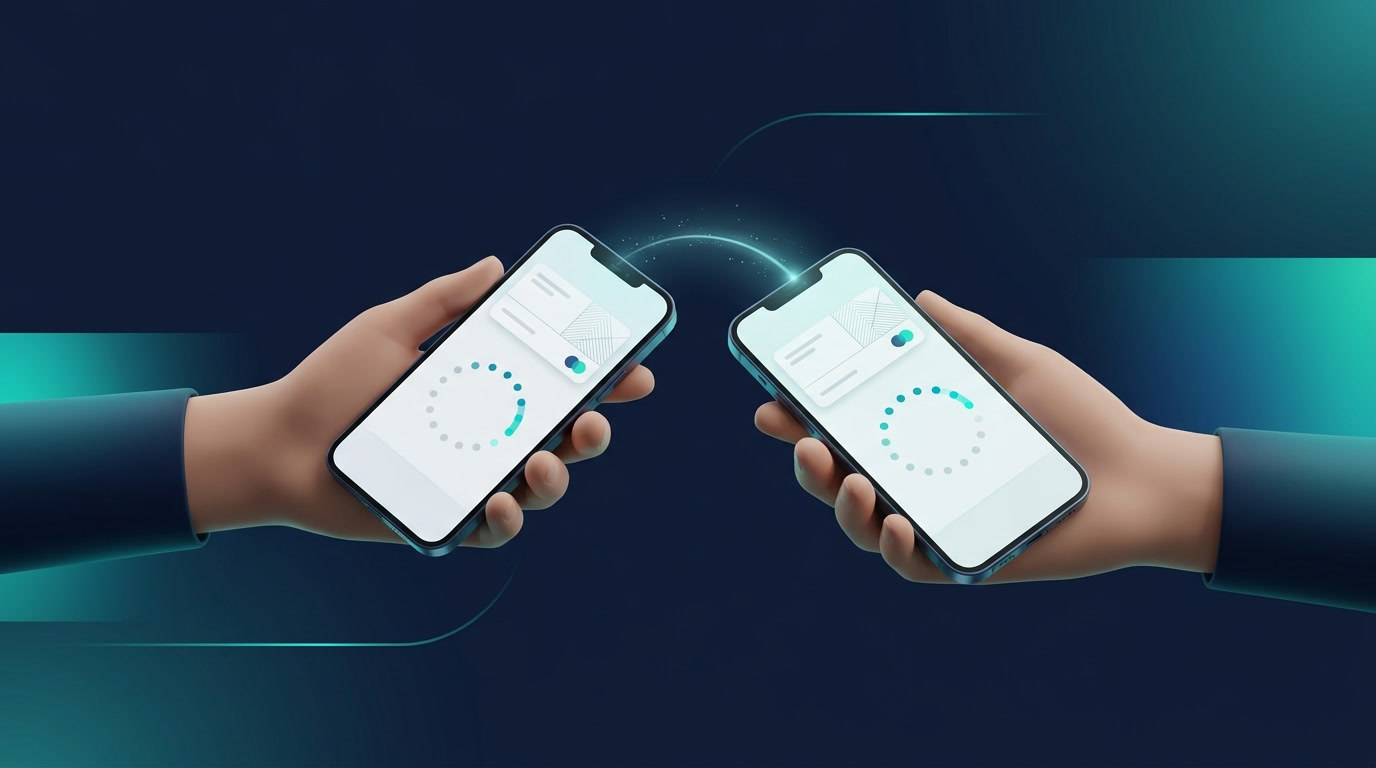
Ask any small business owner where their best customers come from and you'll get the same answer: "word of mouth." Ask them what system they have for making that word of mouth happen, and the answer is usually silence. Recommendations are the channel everyone relies on and nobody manages. A customer referral program fixes that — it takes the thing your happiest customers already do occasionally, by accident, and turns it into something they do regularly, on purpose, because both sides get something for it.
Why Referred Customers Are Worth More Than Advertised Ones
The numbers on referrals are some of the most lopsided in marketing. Nielsen found that 92% of consumers trust recommendations from friends and family more than any form of advertising. And a well-known Wharton School study that tracked a real referral program found referred customers were about 18% less likely to leave and had roughly 16% higher lifetime value than customers acquired any other way.
The reason is simple: a referred customer arrives pre-sold. Their friend already answered the questions an ad can't — is it good, is it worth it, will I like it. They walk in expecting to become a regular, because the person who sent them already is one. Compare that to the stranger who clicked a 30%-off ad: they came for the discount, and they'll leave for the next one. It's the same gap we covered in the retention numbers every small business should know — who a customer is when they arrive decides what they're worth for years.
Why Most Customer Referral Programs Never Get Off the Ground
If referrals are this valuable, why doesn't every café, salon, and gym run a customer referral program? Because the traditional mechanics are miserable for everyone involved.
The referrer has nothing to hand over — "tell them I sent you" evaporates on the drive home. Referral codes get forgotten or mistyped. The big-brand version requires your friend to download an app, and your customers won't download an app for a business they haven't even tried yet. And on your side of the counter, tracking who referred whom turns into a notebook nobody fills in, so rewards arrive late or never — which kills the program faster than having no program at all.
The friction isn't a detail. It's the whole problem. Every extra step between "you should try this place" and "I'm now a customer" loses most of the people in it.
The Wallet Card Version: A Referral Your Customer Can Actually Hand Over
Now put your loyalty card in Apple Wallet and Google Wallet, and the referral suddenly has something physical to travel on.
Every member is already carrying your join link. With Wally, the back of every member's pass can carry your links — and one of them is the same QR join link that signed them up. When the "you have to try this place" conversation happens at dinner, the recommendation stops being a name to remember and becomes a scan: the friend points their camera, taps once, and your card is in their wallet before the conversation moves on. It's the same one-scan join flow that works at your counter, except now it happens at someone else's table.
Reward both sides, in stamps. Keep the mechanics honest and simple: when the new member's first visit comes through and they mention who sent them, the friend starts with a bonus stamp on their new card, and the referrer gets a stamp — or two — added to theirs. No codes, no spreadsheet, no waiting. On a digital stamp card the reward is visible the same day, and a reward people can see is a reward they chase.
Announce it for free. The biggest reason referral programs underperform is that members forget they exist. A wallet card solves that too: one lock-screen message — "Bring a friend this month: you both get a free stamp" — reaches every member without SMS fees or an email that dies in the Promotions tab. Run it as a monthly rhythm and referrals stop being an accident.
What to Offer: Keep Both Sides of the Deal Concrete
The reward doesn't need to be big. It needs to be certain, immediate, and shaped like a gift rather than a commission — nobody wants to feel like they're selling their friends.
A restaurant or café gives both sides a free drink or dessert stamp — the referred table usually arrives as a group, so the math works on the first visit. A salon gives the referrer a free add-on treatment and the friend a welcome stamp on their first appointment; new salon clients are worth months of rebookings, so this is the cheapest acquisition you'll ever do. A gym rewards a member whose guest signs up with a month of perks — the workout partner they brought is also the reason they'll both keep showing up. A retail shop loads bonus points for both wallets on the friend's first purchase.
One rule across all of them: pay the referrer even when the friend only joins and doesn't buy immediately. The join itself has value — that friend is now a member you can reach on their lock screen for free, forever.
The Math That Makes This Worth an Afternoon
Say a café has 300 wallet members and one in ten brings a friend this quarter after a single lock-screen nudge. That's 30 new customers whose acquisition cost was 60 stamps — a few dirhams each — instead of the AED 20–50 a click or a delivery-app commission would cost to reach a colder version of the same person. And these 30 arrived trusting you, statistically more loyal and more valuable than any audience an ad budget can buy.
Your regulars already talk about you. The only question is whether the conversation has somewhere to go.
Set Up the Loop This Week
A customer referral program on a wallet card takes an afternoon: design your card, put your join link on the back of every pass, pick the two-sided reward, and send one lock-screen message telling members it exists. From then on, every happy customer walks out carrying the exact tool needed to bring you the next one.
Book a quick demo with Wally and see your own referral-ready loyalty card in Apple Wallet and Google Wallet today — your best salespeople are already on your side of the counter.